Why Older Buildings Feel More Alive to Me
I have always found myself more drawn to older, historic structures than newly built ones. This attraction isn’t rooted in style, ornament, or nostalgia. It is something quieter and harder to explain—a sense that these places are somehow more alive.
When I walk through historic complexes, I don’t feel like a visitor consuming architecture. I feel like a participant entering a space that has already accepted life, change, and time. New buildings, by contrast, often feel unresolved to me—too precise, too sealed, too aware of themselves.
The difference is not age alone.
It is attitude.

Concept Design | Copyright @ Chaukor Studio
Buildings That Expect Time vs Buildings That Resist It
Older structures behave as if time was always part of the design brief.
They assume:
wear will happen
surfaces will change
people will adapt spaces in unintended ways
repairs will be layered, not hidden
Because of this, they feel relaxed. They are not trying to perform. They do not seek validation.
Many contemporary buildings, even well-designed ones, feel anxious in comparison. They are optimized for the moment they are completed—photographed, published, and judged. Their perfection feels fragile. Any crack, stain, or alteration feels like failure rather than continuation.
As a human being, and as an architect, I find it difficult to emotionally inhabit something that feels so temporary in spirit.
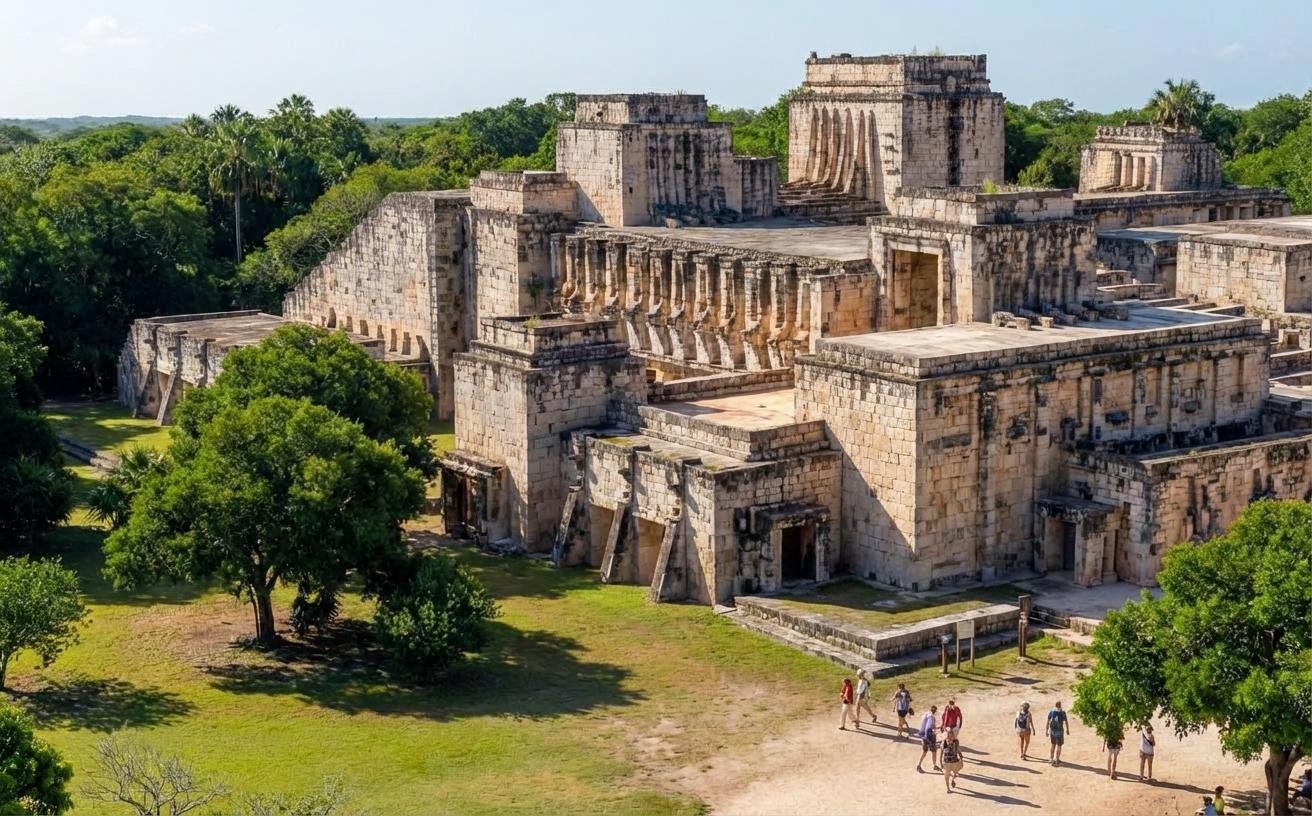
Concept Design | Copyright @ Chaukor Studio
Why Imperfection Feels Human
Historic structures carry visible traces of time: uneven surfaces, softened edges, discoloration, repair marks. These are often described as “imperfections,” but to the human mind they function as evidence of life.
Perfection leaves no room for memory.
Imperfection invites it.
A place begins to feel alive when it stops trying to remain untouched.

Concept Design | Copyright @ Chaukor Studio
Designing Something That Feels Old on Day One
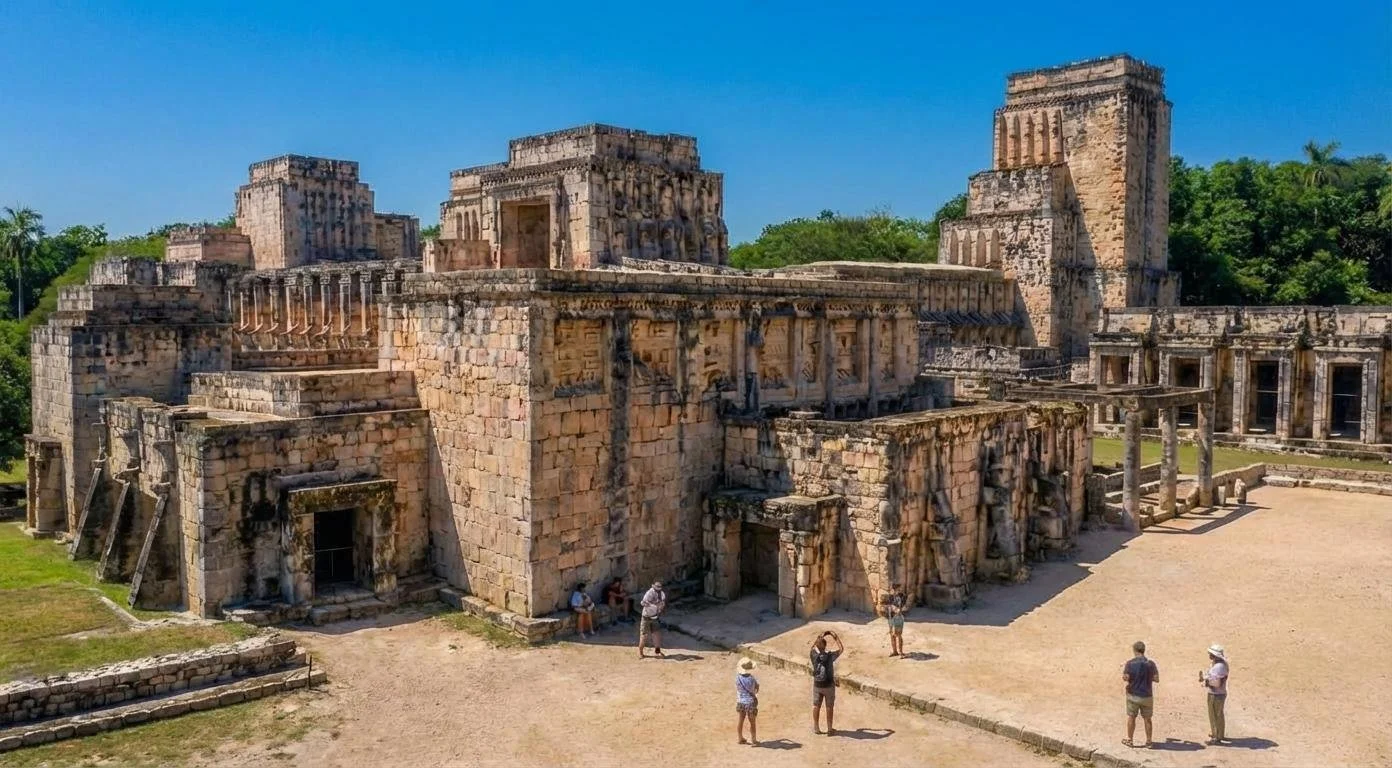
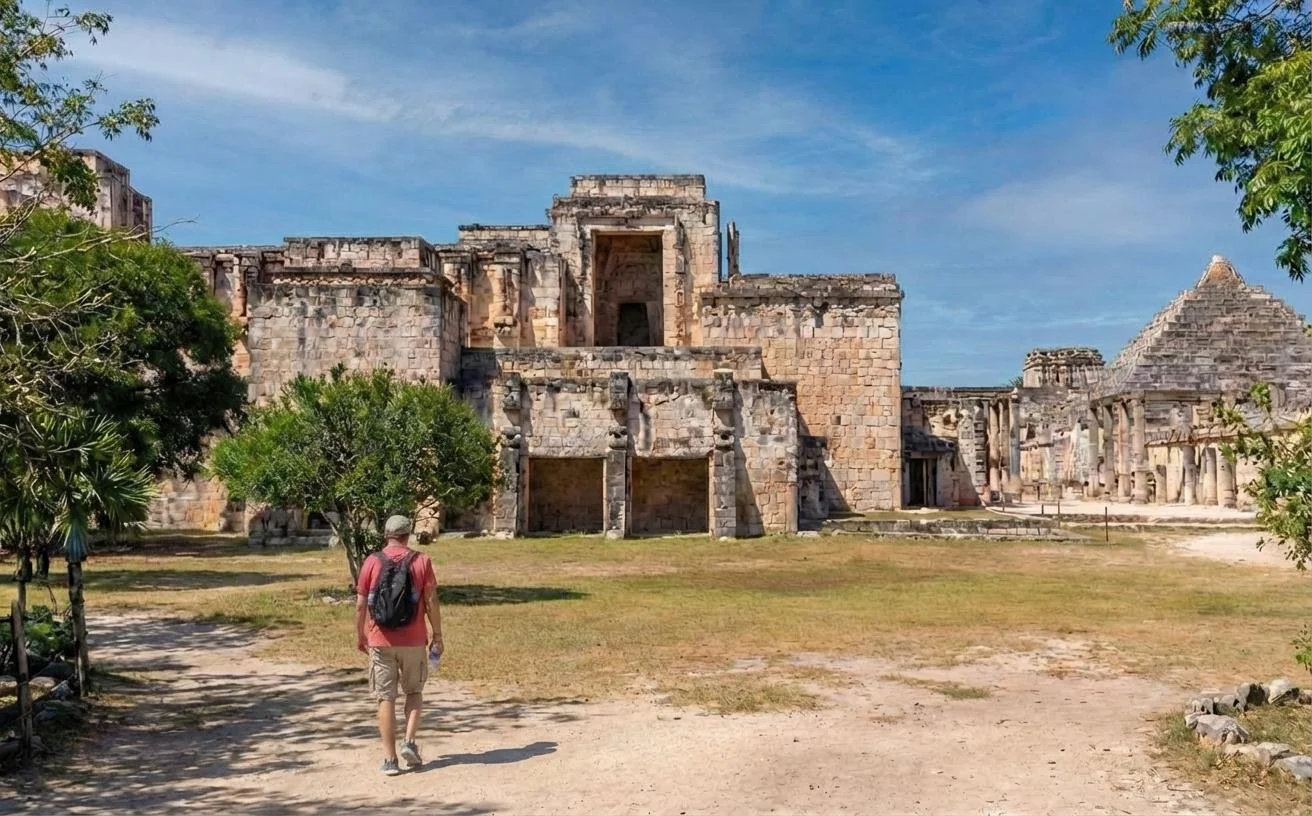
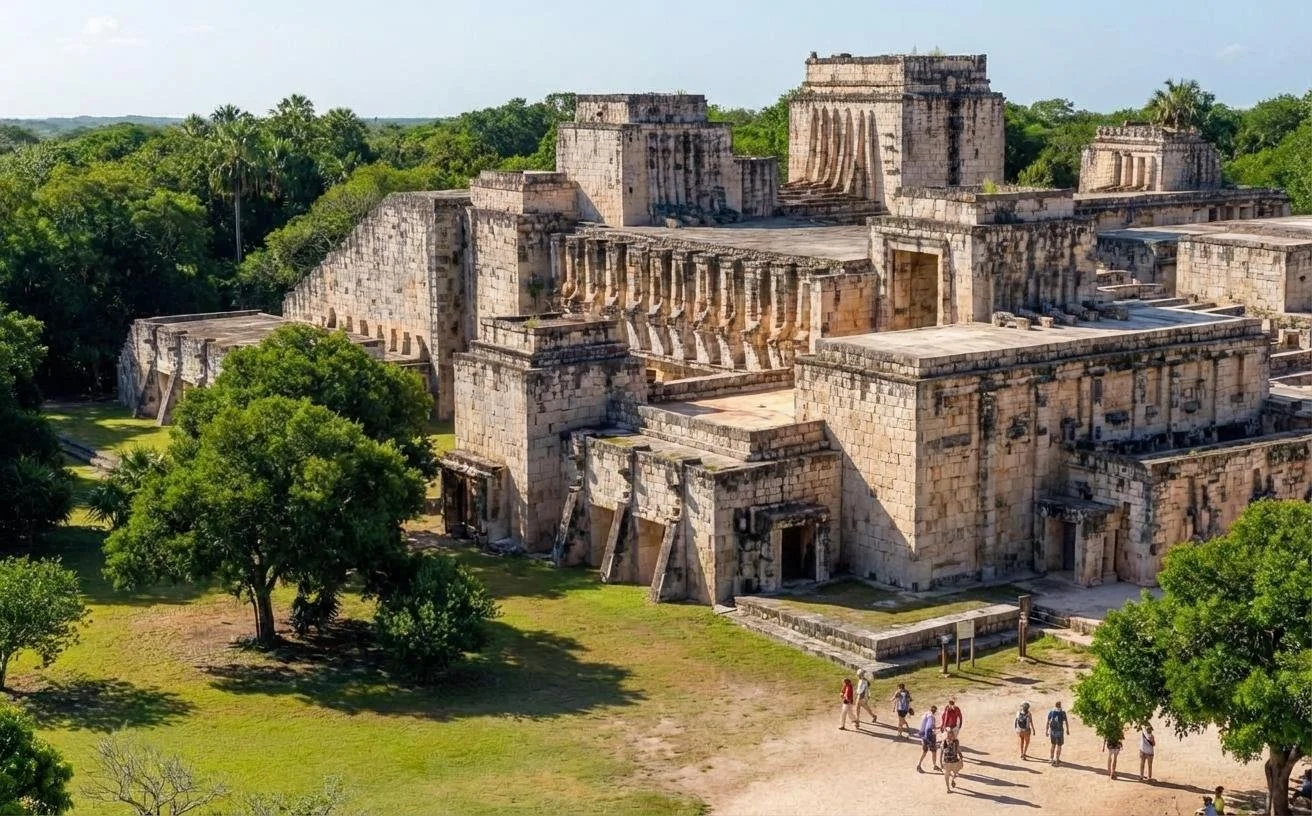
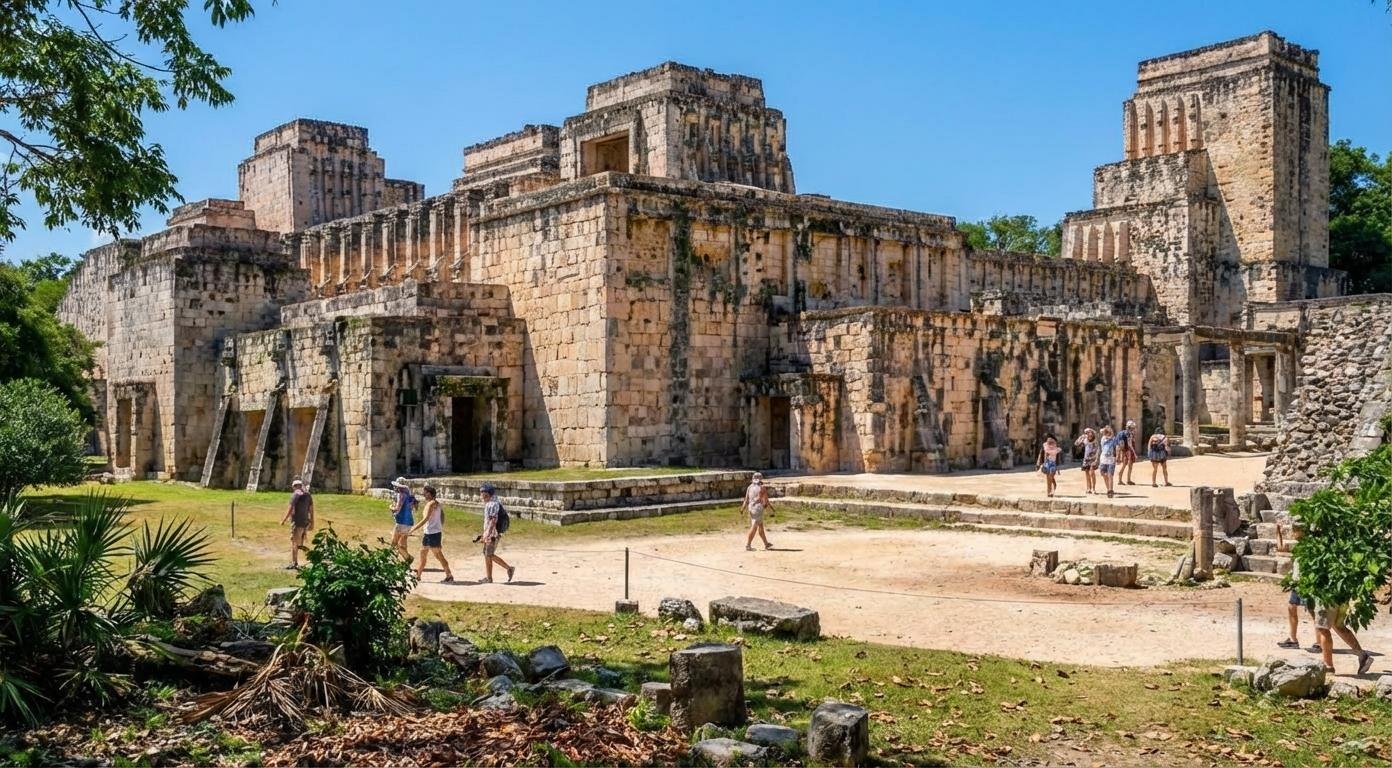
The project shown here is a conceptual exploration born from this exact discomfort. I wanted to understand whether it was possible to design something that carries the gravity, restraint, and seriousness of a historic structure from its very first day—without pretending to be from another era.
The intention was not to imitate history, but to adopt the mindset that shaped historic places:
Architecture as mass, not surface
Sequence over spectacle
Depth, shadow, and proportion instead of visual novelty
Spaces that are meant to be occupied, altered, and lived with
In designing this, I realized that what we often call “historic character” is actually a confidence about permanence. These buildings were designed as if they would remain—and so they did.
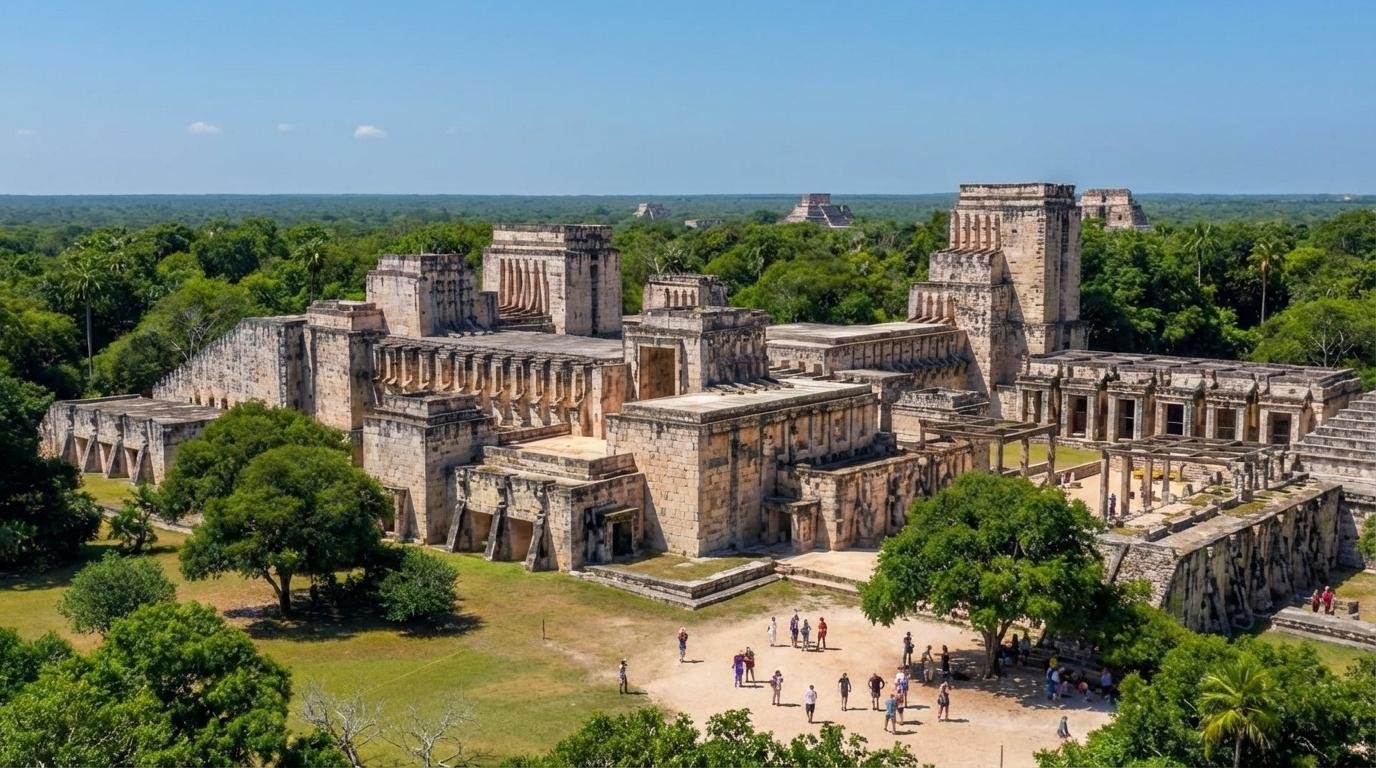
Concept Design | Copyright @ Chaukor Studio
Why This Matters to Me as an Architect
This attraction towards older architecture has shaped how I think about my work. It pushes me to ask questions that feel increasingly urgent today:
What does it mean to design something that is not provisional?
Can architecture be meaningful without demanding attention?
What changes when we design as if a building will be kept, not replaced?
I find myself less interested in novelty and more interested in continuity. Less interested in instant impact and more interested in long-term presence.

Concept Design | Copyright @ Chaukor Studio
Not Romanticism, But Responsibility
It would be easy to dismiss this inclination as romanticism—but that would be too convenient.
Romanticism idealizes the past.
Responsibility learns from it.
My attraction to older buildings is not about recreating history, but about reclaiming a sense of architectural seriousness—an acceptance that buildings shape lives long after drawings are archived and images fade.
If a structure can feel settled, grounded, and alive on its very first day, perhaps it is not pretending to be old at all. Perhaps it is simply refusing to be disposable.
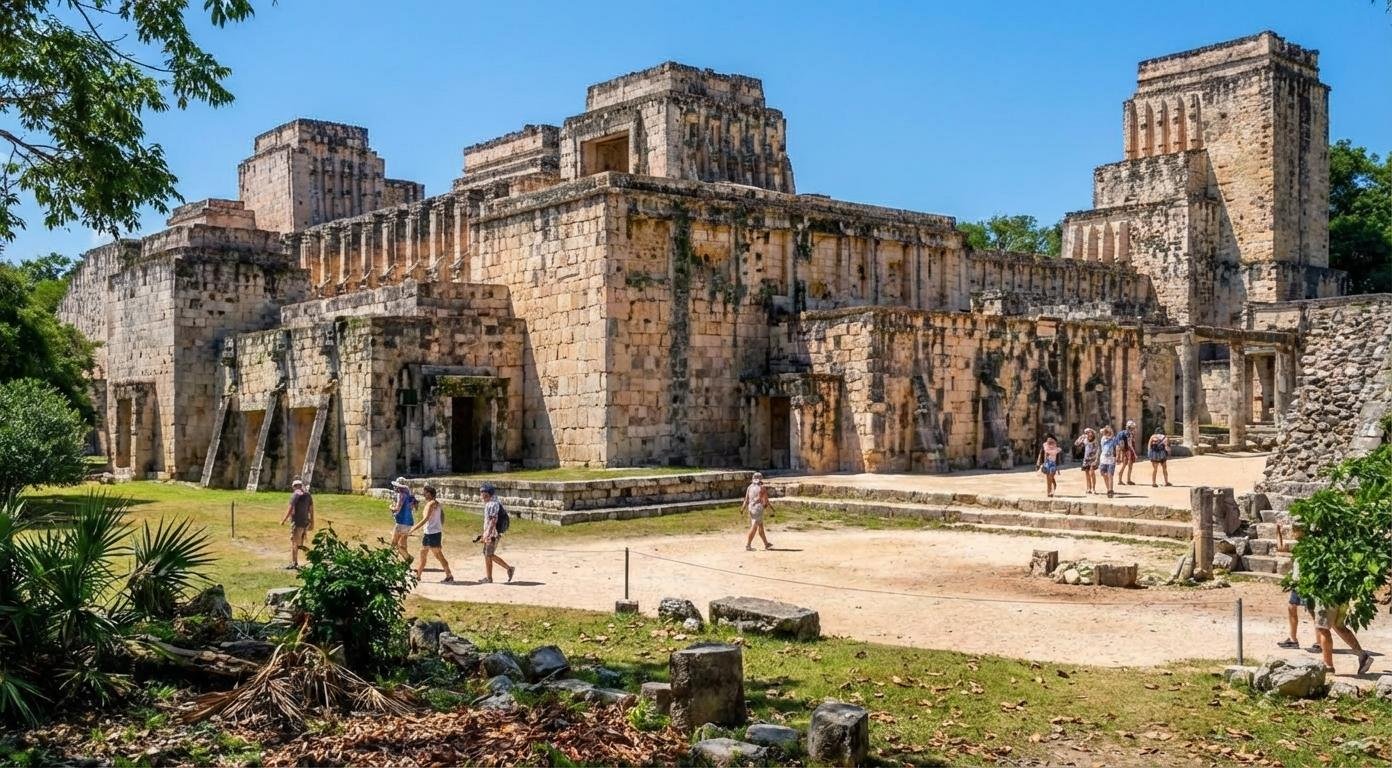
Concept Design | Copyright @ Chaukor Studio
“We are not drawn to old buildings because they are old.
We are drawn to them because they were designed as if they mattered”